



Underripe Cannabis Buds: Why Patience Is the Key to a Perfect Harvest
Harvesting cannabis is both highly technical and deeply intuitive. While many growers invest most of their attention in feeding schedules, lighting setups, and training styles like Sea of Green (SOG), one crucial factor often slips through the cracks: choosing the correct moment to harvest. Taking plants down before they are fully mature can seriously reduce their potency, overall yield, flavor profile, and smoking experience. In this guide, we’ll break down exactly why cutting underdeveloped buds is such a costly mistake and how you can confidently avoid it. You’ll learn how to recognize the real signs of under-ripeness, how those signs affect cannabinoids, terpenes, and plant health, and what practical steps you can follow to stop yourself from harvesting too soon. By understanding what happens at every stage of growth, you’ll gain clear, actionable insight that goes far beyond basic grow tips and helps you consistently achieve fuller, stronger, and more rewarding SOG harvests.
How to Spot Underdeveloped Cannabis Buds
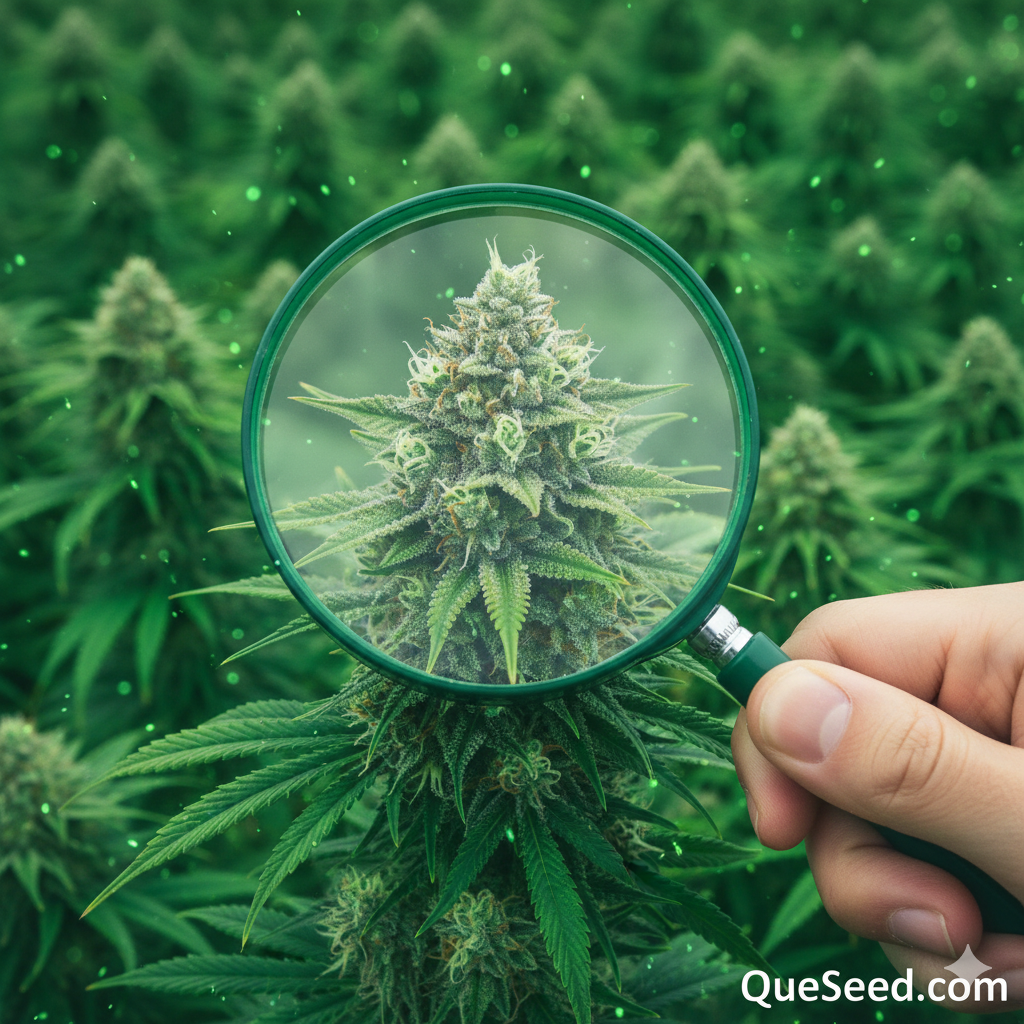
Underripe cannabis flowers are immature buds that have not finished their development cycle. Though tempting with their expanding calyxes and sticky trichomes, their internal chemistry and structural integrity reveal a contrasting image of Even when buds look swollen and sticky on the outside, they can still be chemically and structurally unfinished inside. Spotting underdeveloped flowers is about more than a quick glance – you need to consider both how they look under magnification and how far along they are in their overall growth cycle. Trichomes are especially important here, since these tiny resin glands store most of the plant’s cannabinoids and terpenes.
In general, underripe buds tend to show:
- Light or patchy trichome coverage with mostly clear, glass-like heads, which means the cannabinoids have not yet fully formed.
- Pistils that are still bright white and straight, instead of darkened and curled inward, showing the flower hasn’t reached full maturity.
- Loose, airy buds with little density, even though the flowers may appear larger as they keep swelling and adding resin.
When viewed through a jeweler’s loupe or digital microscope, trichomes on immature buds stay clear and transparent rather than turning cloudy or amber, which is the usual sign of peak resin production. Because the terpene profile is still incomplete at this stage, these flowers often smell more like fresh grass or dried plant matter than the strain’s unique aroma. The result is cannabis that tastes flat, burns harsher, and delivers weaker effects, making it less satisfying for both medical and recreational use.
The Cost of Premature Harvesting
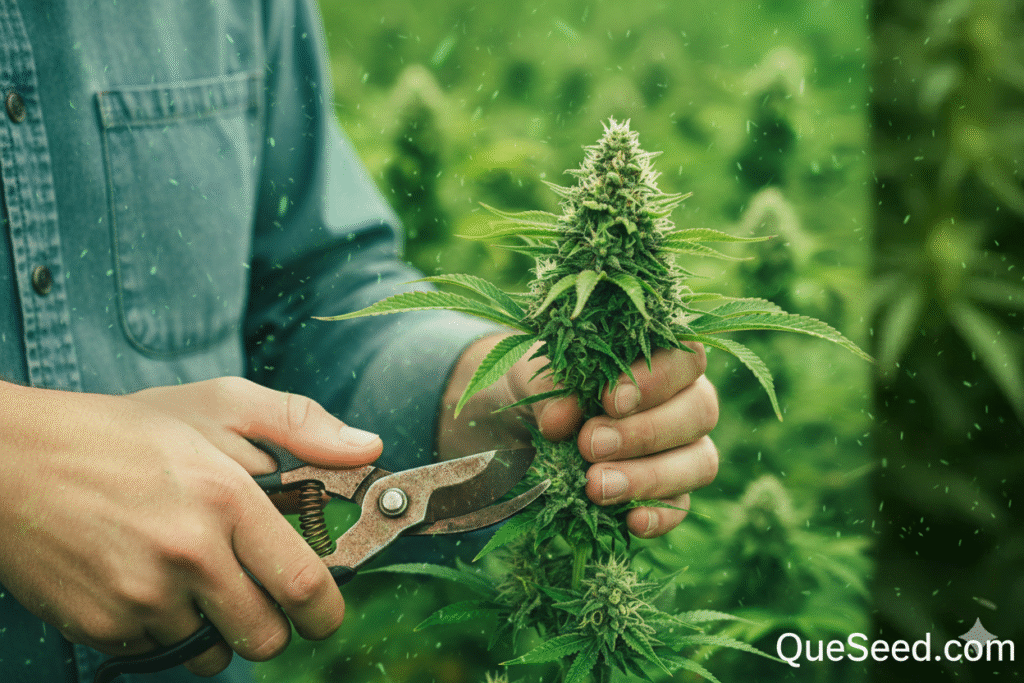
Early harvesting might feel like a shortcut, but it almost always comes with hidden downsides that hurt both quality and customer satisfaction. Cutting plants before they’re truly ready reduces potency, weakens the overall experience, and strips away much of what makes mature cannabis so rewarding. Instead of enjoying the full effect and flavor profile, users are left with a noticeably flatter, less satisfying product.
Weaker Cannabinoid Levels and Reduced Potency
Cannabinoids like THC and CBD only reach their peak once the plant has fully matured. Earlier in the flowering cycle, many trichomes are still filled with precursor compounds such as CBG. As harvest time approaches, these clear resin glands gradually convert into active cannabinoids.
If you harvest too early:
- this conversion process is interrupted
- overall THC and CBD levels remain lower
- the resulting effects feel softer and less pronounced
On top of that, an immature plant doesn’t yet produce its full terpene profile. Since terpenes contribute to aroma, flavor, and therapeutic benefits, their absence makes underdeveloped buds noticeably weaker in both effect and character.
Flat Flavor and Poor Aroma
Terpenes are the volatile compounds responsible for each strain’s distinctive smell and taste. They develop later in the flowering stage and begin to break down relatively quickly after harvest. If the crop is taken too soon, those terpenes never have a chance to fully form.
The result is often:
- dull, grassy, or “green” flavor
- faint or unremarkable aroma
- a loss of the strain’s unique personality
Because terpenes also play a role in the entourage effect—where cannabinoids and terpenes work together—early harvesting not only reduces enjoyment for connoisseurs but can also diminish the therapeutic depth of the product.
Lower Visual Appeal and Reduced Yields
From a visual and commercial standpoint, immature buds are at a clear disadvantage. They tend to be:
- smaller and less dense
- less resinous and less frosty
- lighter or pale green in color
Underdeveloped resin glands and light coloring give the flowers an unfinished, lower-grade look. In competitive markets, appearance greatly influences how customers judge quality. At the same time, smaller, less dense buds mean less total weight, so both perceived value and actual yield suffer.
Understanding Bud Maturation
A solid grasp of how cannabis matures makes choosing the right harvest window much easier. During the late flowering phase, hormonal changes drive the plant into a final push, increasing resin and cannabinoid production. Trichomes ramp up their output of THC, CBD, and terpenes as the plant prepares for reproduction.
If this final stage is cut short, the plant never fully completes the chemical profile that gives cannabis its rich flavor, strong effects, and nuanced character.
Trichome development generally moves through three main stages:
- Clear Trichomes
At this point, trichomes are transparent and cannabinoid levels are still relatively low. The plant is focused more on growth and structure than on building potency. - Cloudy / Milky Trichomes
Here, trichomes turn opaque and milky. This is usually where THC concentration is at its highest and the effects are most psychoactive and powerful. Many growers target this stage—or a mix of this and the next—for harvest. - Amber Trichomes
As trichomes turn amber, some THC begins converting into CBN, leading to a more relaxing, sedative effect. While the “high” may feel less sharp, this stage can offer strong benefits for users seeking deeper physical relaxation or sleep support.
By learning to read these stages, growers can fine-tune their harvest timing and consistently produce buds that deliver the desired balance of potency, flavor, and effect.
Pistils are another helpful sign that your plants are approaching harvest. As cannabis flowers mature, the bright white pistils gradually darken in color and curl inward toward the bud. A plant is usually near peak ripeness when around 70–90% of the pistils have changed color, and most trichomes appear cloudy with a small percentage (about 10–20%) turning amber. By watching both pistil color and trichome development together, growers can make much more accurate decisions about when to harvest for the best quality results.
Avoiding Early Harvest: Best Practices
When it comes to harvesting, patience is one of the most important skills you can have. Instead of relying on a fixed calendar date, harvest timing should be based on careful observation and, where possible, simple testing. Here are some practical ways to avoid cutting your plants too early:
1. Use Magnification to Check Trichomes
During the final two weeks of flowering, inspect your buds daily with a 60x jeweler’s loupe or a digital microscope. This allows you to watch the ripening process in real time and identify the perfect harvest window. By closely tracking the shift from clear to cloudy and then to amber trichomes, you’ll know exactly when THC production has reached its peak.
2. Monitor Pistil Maturity
Immature buds are covered in straight, bright white pistils. Wait until most of them have darkened and curled inward. For the most accurate read, combine this pistil check with trichome color. Looking at both signs together provides a much clearer indication of whether your cannabis is truly ready, and it significantly reduces the risk of harvesting too early.
3. Respect Your Strain’s Flowering Time
Different genetics finish at different speeds. Knowing your strain is essential:
- Many indica-dominant varieties finish around 8–9 weeks of flowering.
- Many sativa-dominant varieties may require 10–12 weeks or more.
Breeder timelines should be treated as guidelines, not strict rules. Real-world finishing time can be affected by factors like phenotype differences, temperature, and light intensity. Understanding your specific strain’s behavior in your environment will help you predict the right harvest window more accurately.
4. Flush Properly, But Don’t Rush the Chop
A 10–14 day flush is commonly used to remove excess nutrients and improve the smoothness of the final product. However, starting the flush is not a reason to harvest early. The plant continues to mature during this period. If you cut too soon just because the flush has begun, you interrupt the final phase of cannabinoid and terpene development, leaving you with weaker, less tasty buds.
Why Drying and Curing Can’t Fix Underripe Buds
Even expert drying and curing cannot fully rescue flowers that were harvested before they were ready. If buds lack cannabinoids and terpenes at the moment they’re cut, post-harvest processes cannot create what never had time to form.
Underripe buds often:
- burn hot and harsh
- smell like grass or hay instead of the strain’s true aroma
- deliver flat, unsatisfying effects
Drying and curing are designed to enhance the qualities of mature buds, not to fix the basic problems caused by an early harvest. When handled properly, fully developed flowers undergo chemical changes during curing that improve potency, smoothness, and flavor complexity. Immature buds simply don’t have the right profile to benefit from this process, which is why patience both before and after harvest is critical.
How to Recover From an Early Harvest Mistake
If you realize you’ve harvested too soon, you still have options to make the best use of the crop:
- Turn the buds into edibles or extracts.
Early-harvest cannabis still contains cannabinoids that can be decarboxylated and infused into oils, butter, or concentrates. Even if the flowers weren’t fully ripe, these products can still be quite effective. - Extend the curing period.
A longer cure won’t increase potency, but it can reduce chlorophyll, smooth out harshness, and bring out more flavor. Slow drying and extended curing give starches and sugars more time to break down, resulting in a more pleasant smoke or vape. - Blend with fully mature buds.
Mixing immature flowers with properly ripened ones in joints, bowls, or extracts can help balance out the weak effects and improve the overall experience.
Still, these steps are only damage control. The best strategy is always prevention: learn to read your plants carefully, give them enough time to finish, and let nature complete the full maturation cycle. That’s how you consistently achieve strong, aromatic, and satisfying harvests.